Cats come in a wide range of sizes depending on their breed, age, genetics, diet, and overall health. While some breeds remain small throughout adulthood, others continue growing for up to two years. Understanding your cat’s size helps you choose the right accessories, monitor healthy growth, and maintain an ideal weight.
Use the size chart below as a general guide, but remember that individual cats may vary.
Cat Size Chart
| Size | Weight | Neck | Torso | Belly | Back |
| Extra Small | 3 – 4.9 lb (1,5 – 2,25 kg) | 6″ (15 cm) | 9-10″ (23-25 cm) | 9-10″ (23-25 cm) | 13″ (33 cm) |
| Small | 5-7 lb (2,25-3,25 kg) | 7″ (18 cm) | 10-11″ (25-28 cm) | 10-13″ (25-33 cm) | 13,25-14″ (33-36 cm) |
| Medium | 7,1-9,4 lb (3,25-4 kg) | 8″ (20 cm) | 11-13″ (28-33 cm) | 11-14,5″ (28-36 cm) | 13,75-15″ (35-38 cm) |
| Large | 9,5-11 lb (4,5-5 kg) | 9″ (23 cm) | 13-14″ (33-36 cm) | 14-17″ (36-43 cm) | 14,25-15,5″ (36-40 cm) |
| Extra Large | 11-12,5 lb (5-5,5 kg) | 10″ (25,5 cm) | 14-15″ (36-38 cm) | 17-19″ (43-48 cm) | 14,75-16″ (37-41 cm) |
Average Cat Size by Age
Cats grow rapidly during their first year of life. Most kittens reach about half of their adult size by four months, and growth continues steadily until around 12 months. Larger breeds, such as Maine Coons, may continue developing until they are 18 to 24 months old.
| Age | Typical Development |
|---|---|
| Birth | 3–4 oz (85–115 g) |
| 2 Months | 2–3 lb (0.9–1.4 kg) |
| 4 Months | About half of adult size |
| 6 Months | 5–7 lb (2.3–3.2 kg) |
| 12 Months | Most cats reach adult size |
| 18–24 Months | Giant breeds may continue growing |
Monitoring your cat’s weight and growth throughout these stages helps ensure healthy development and allows potential health concerns to be identified early.
Cat Size by Breed
Different breeds naturally reach different adult sizes.
| Breed | Average Adult Weight |
|---|---|
| Singapura | 4–8 lb (1.8–3.6 kg) |
| Siamese | 6–10 lb (2.7–4.5 kg) |
| American Shorthair | 8–12 lb (3.6–5.4 kg) |
| British Shorthair | 9–17 lb (4–7.7 kg) |
| Ragdoll | 10–20 lb (4.5–9 kg) |
| Maine Coon | 10–25 lb (4.5–11.3 kg) |
Breed standards provide a useful reference, but individual cats may fall outside these averages.
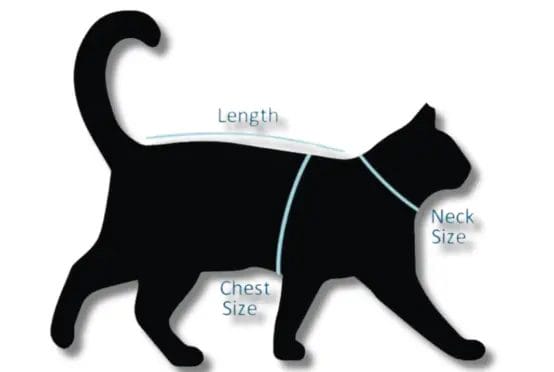
How to Measure Your Cat’s Size
Measuring your cat regularly helps you choose properly fitting harnesses, clothing, and carriers while tracking healthy growth.
Weight
Use a pet scale whenever possible. Alternatively, weigh yourself while holding your cat and subtract your own weight.
Neck
Measure around the base of the neck where a collar naturally sits.
Body Length
Measure from the base of the neck to the base of the tail while your cat is standing naturally.
Chest or Belly Girth
Wrap a soft measuring tape around the widest part of your cat’s chest or abdomen without pulling it tightly.
Back Length
Measure along the spine from the shoulders to the base of the tail.
For the most accurate measurements, keep your cat standing comfortably and use a flexible measuring tape.
Factors That Affect a Cat’s Size
Several factors influence how large a cat becomes.
- Breed: Genetics play the biggest role in adult size.
- Gender: Male cats are generally larger than females.
- Nutrition: A balanced diet supports healthy growth.
- Activity Level: Regular exercise helps maintain an ideal weight.
- Health: Certain medical conditions may affect growth and body condition.
Understanding these factors makes it easier to monitor your cat’s overall health.
Tips for Managing Your Cat’s Weight
Maintaining a healthy weight is one of the best ways to support your cat’s long-term health.
- Feed a balanced diet appropriate for your cat’s age and activity level.
- Avoid excessive treats and overfeeding.
- Encourage daily play and physical activity.
- Monitor your cat’s weight every month.
- Schedule regular veterinary checkups.
Keeping your cat at a healthy weight reduces the risk of obesity, diabetes, arthritis, and other health issues.
Signs Your Cat Is at a Healthy Weight
A healthy cat should have:
- A visible waist when viewed from above.
- Ribs that can be felt without excessive fat covering.
- A tucked abdomen when viewed from the side.
- Good energy levels and regular activity.
If you’re unsure whether your cat is overweight or underweight, consult your veterinarian for a body condition assessment.
Conclusion
Cat sizes vary significantly based on breed, age, genetics, and overall health. While size charts provide a helpful reference, your cat’s individual measurements are the best guide when selecting collars, harnesses, clothing, or carriers.
Regularly monitoring your cat’s weight and body measurements, providing balanced nutrition, and encouraging daily exercise will help keep your feline companion healthy throughout every stage of life.
FAQs
1. How big is the average adult cat?
Most domestic cats weigh between 8 and 10 pounds (3.6–4.5 kg), although some breeds are naturally smaller or much larger.
2. At what age do cats stop growing?
Most cats reach their full size by 12 months, while larger breeds such as Maine Coons may continue growing until they are 18–24 months old.
3. How do I accurately measure my cat?
Measure your cat’s neck, body length, chest or belly girth, and weight using a soft measuring tape and a pet scale for the most accurate results.
4. Why do cats of the same age have different sizes?
Genetics, breed, nutrition, gender, and overall health all influence a cat’s growth and adult size.
5. How often should I check my cat’s measurements?
Kittens should be measured every few months during their first year. Adult cats benefit from having their weight and measurements checked at least once a year, or more frequently if advised by a veterinarian.
6. Can I predict how large my kitten will become?
While it’s impossible to know the exact adult size, your kitten’s breed, parents’ size, and growth rate can provide a reasonable estimate.
7. Is weight alone enough to determine if my cat is healthy?
No. Weight should be considered alongside body condition, muscle tone, activity level, and your veterinarian’s assessment to determine overall health.